18 November 2026
Invisalign vs. Invisalign First for Young Kids: When Does Early Treatment Make Sense?
When most parents picture orthodontics, they imagine a teenager with a mouth full of brackets. So it often comes as a surprise when we tell them the ideal time for a child's first orthodontic visit is actually around age 7. That is not a typo, and it is not a sales pitch. It is a recommendation backed by the leading professional organizations in our field, and it is one we stand behind every day.
At Ferris Orthodontic Group in Santa Barbara, Dr. Andrew Ferris and Dr. Rebecca Quinn have seen firsthand how much a well-timed screening can change a child's path. Catching a problem at the right moment can mean a simpler, gentler, and shorter course of care. Waiting too long can mean more invasive treatment later.
In this post, we will walk you through why age 7 matters, how we decide which children actually need early orthodontic treatment, what signs to watch for at home, and why Invisalign First has become such a valuable option for the kids we treat. We will also clear up one of the most common misconceptions parents have about starting treatment early.
Why Every Child Should See an Orthodontist by Age 7
The American Association of Orthodontists and the American Academy of Pediatric Dentistry both recommend that children have an orthodontic evaluation by around age 7 or 8. Our practice follows the same guidance. At this age, most kids have a mix of baby teeth and adult teeth, which gives us a clear window into how their bite and jaws are developing.
In some cases, we like to see children even earlier. If your child snores, has trouble breathing at night, or shows signs of airway concerns, it is worth bringing them in sooner. These issues can be connected to how the jaws and face are growing, and an orthodontic evaluation can help you understand what is going on.
For most families, though, age 7 to 8 is the sweet spot. It is early enough to spot developing problems and plan around them, but late enough that we can see meaningful information about the adult teeth on the way.
The best part? Our screenings are complimentary, and you do not need a referral from your dentist to schedule one. If you live in or around Santa Barbara, getting your child checked is as simple as giving us a call.
Not Every Child Needs Early Orthodontic Treatment (Here's How We Decide)
Here is something we tell parents all the time: the majority of children who come in for a screening do not need a first phase of treatment, sometimes called interceptive treatment. An early visit is not a commitment to braces or aligners. It is simply a chance to make sure everything is on track.
That said, every child should still be screened, because there is a short list of issues where early treatment makes a real difference. In our office, that list usually comes down to two things:
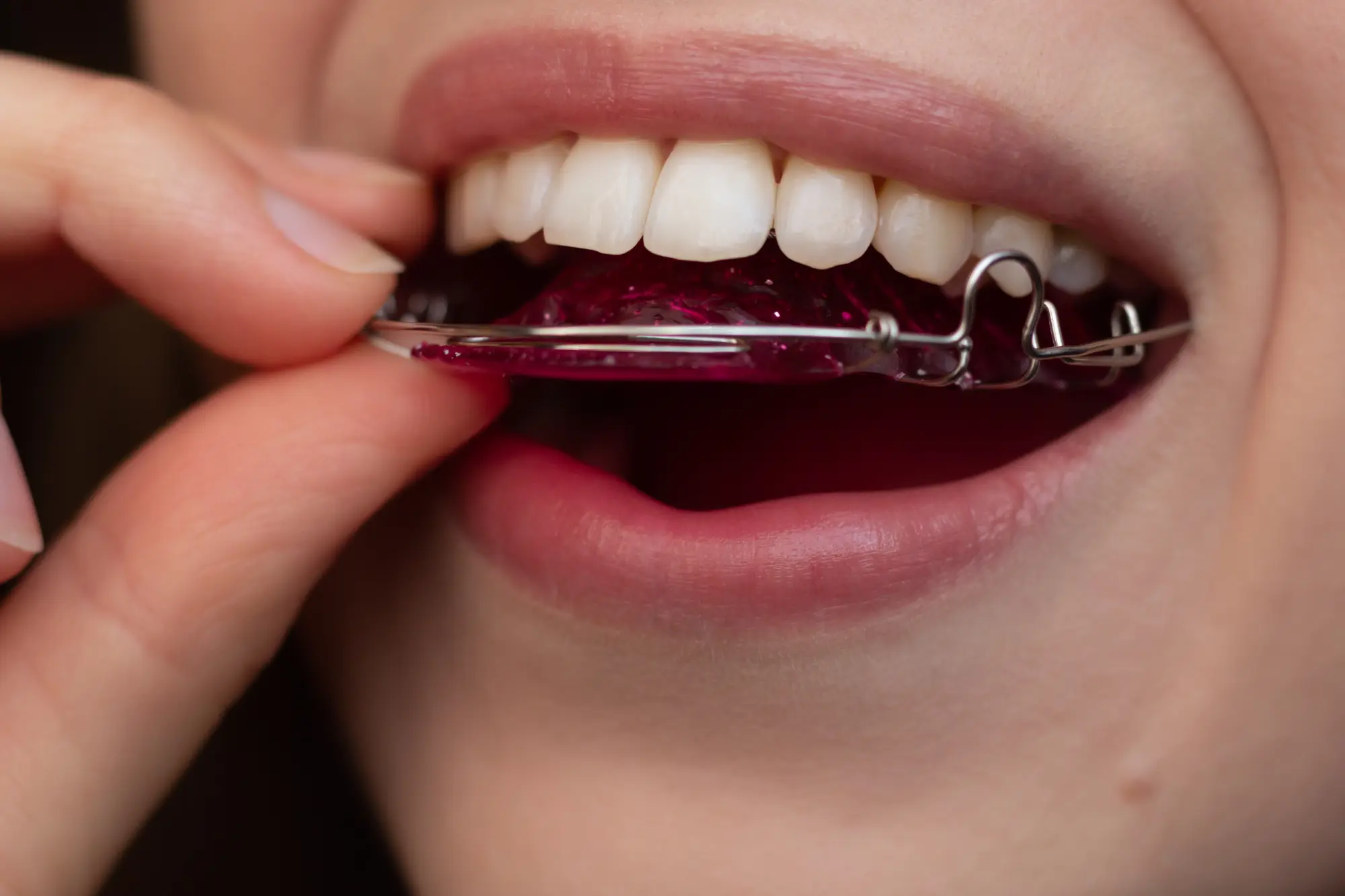
- Not enough space for the adult teeth. If there is not enough room for the remaining permanent teeth to come in, problems tend to compound over time.
- Bite issues that affect growth. Some bite problems can influence how the jaws grow, or cause them to grow unevenly. Addressing these early helps support balanced, symmetrical development.
Why Timing Matters So Much
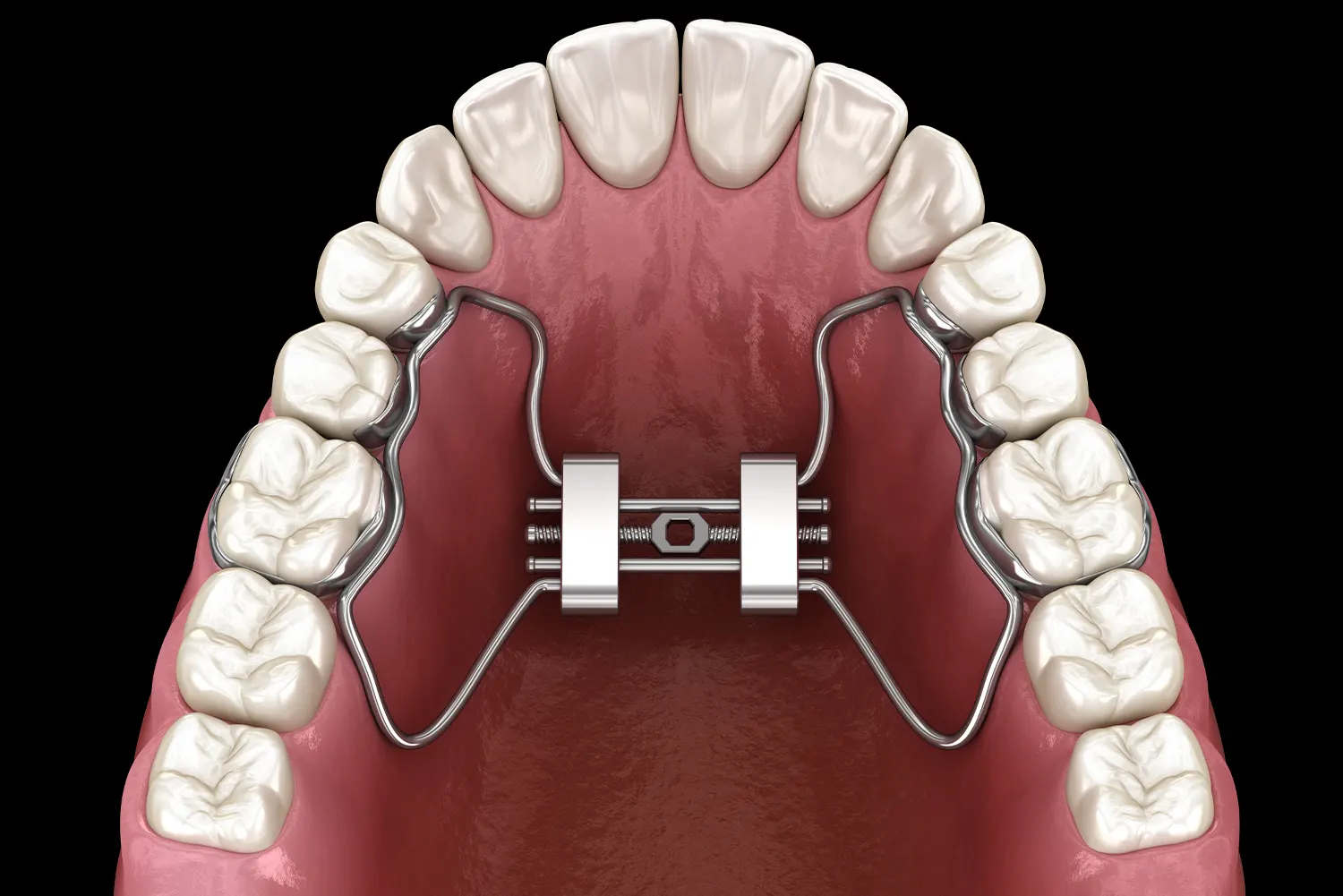
One fact surprises a lot of parents: the roof of the mouth largely stops growing in width around age 6. After that, your child is not going to naturally grow into more dental space. If the adult teeth are going to be crowded, that crowding is already built into the picture.
This is exactly why we like to see kids by age 7. With our technology and imaging, we can often tell how much space will be available for the remaining adult teeth well before they arrive. That gives us time to plan, rather than react.
The Case for Catching Problems Early
Orthodontics has changed a great deal over the years. It used to be common to wait until high school or the teen years before starting any treatment. The problem with that approach is that by then, the window to create space or expand the upper jaw has often closed.
When that window is missed, the options become more invasive. Teeth without enough room may need to be extracted, including healthy adult teeth. Teeth that never find a clear path may become impacted, which can mean a surgical procedure to expose them. An impacted tooth can also damage the healthy adult teeth beside it.
Removing teeth liberally in children is not something we take lightly. It was far more common in orthodontics years ago, but today our field looks at the bigger picture, including how treatment affects the airway and overall facial development. Early care is ultimately more preventive and less aggressive.
When your child does need early treatment, the goal is simple: get in, get what is needed, and get out. In most cases, the heavy lifting is done within about a year. From there, the teeth have a clear lane to come in, and the jaws can grow and develop the way they should. For many families, that peace of mind is the biggest benefit of all.
Signs Your Child's Bite May Be Off
Parents are often the first to notice that something looks a little different. If you see any of the following, it is a good idea to schedule a screening:
- Overlapping or crowded front teeth as the adult incisors start coming in
- "Shark teeth," where adult teeth erupt behind baby teeth that have not fallen out, creating a double row
- A bite that looks uneven or teeth that do not seem to meet the way they should
- Snoring or mouth breathing that could point to airway concerns
You might assume your family dentist will tell you when it is time to see an orthodontist, and many do. But general dentists are not always sure about the ideal moment to refer, and that can lead to valuable time slipping by.
If something seems off, trust your instincts and reach out to us directly. You do not need a referral, and there is no charge for the initial consultation. At worst, you will walk away with reassurance that everything is developing normally.
What Is Invisalign First?
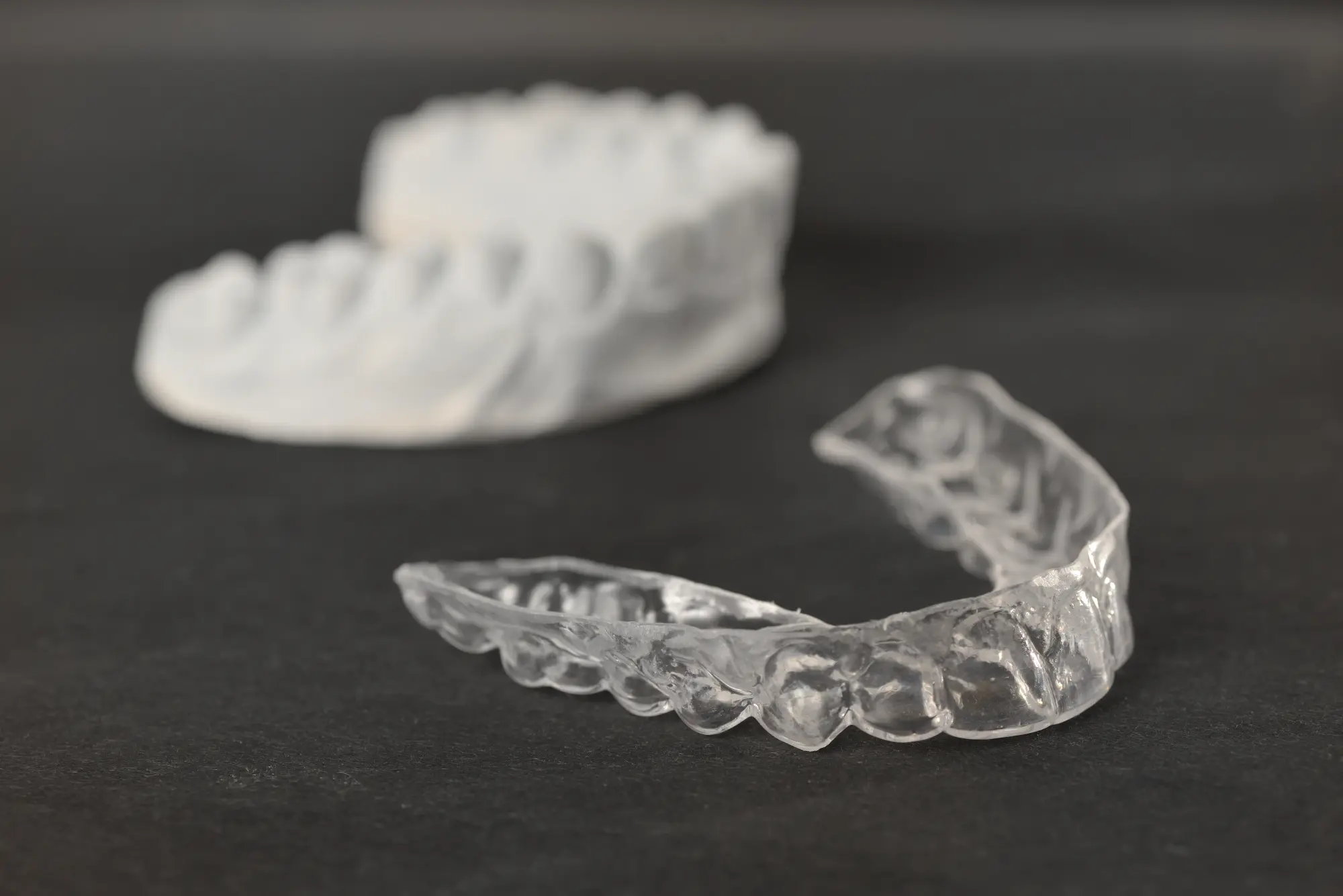
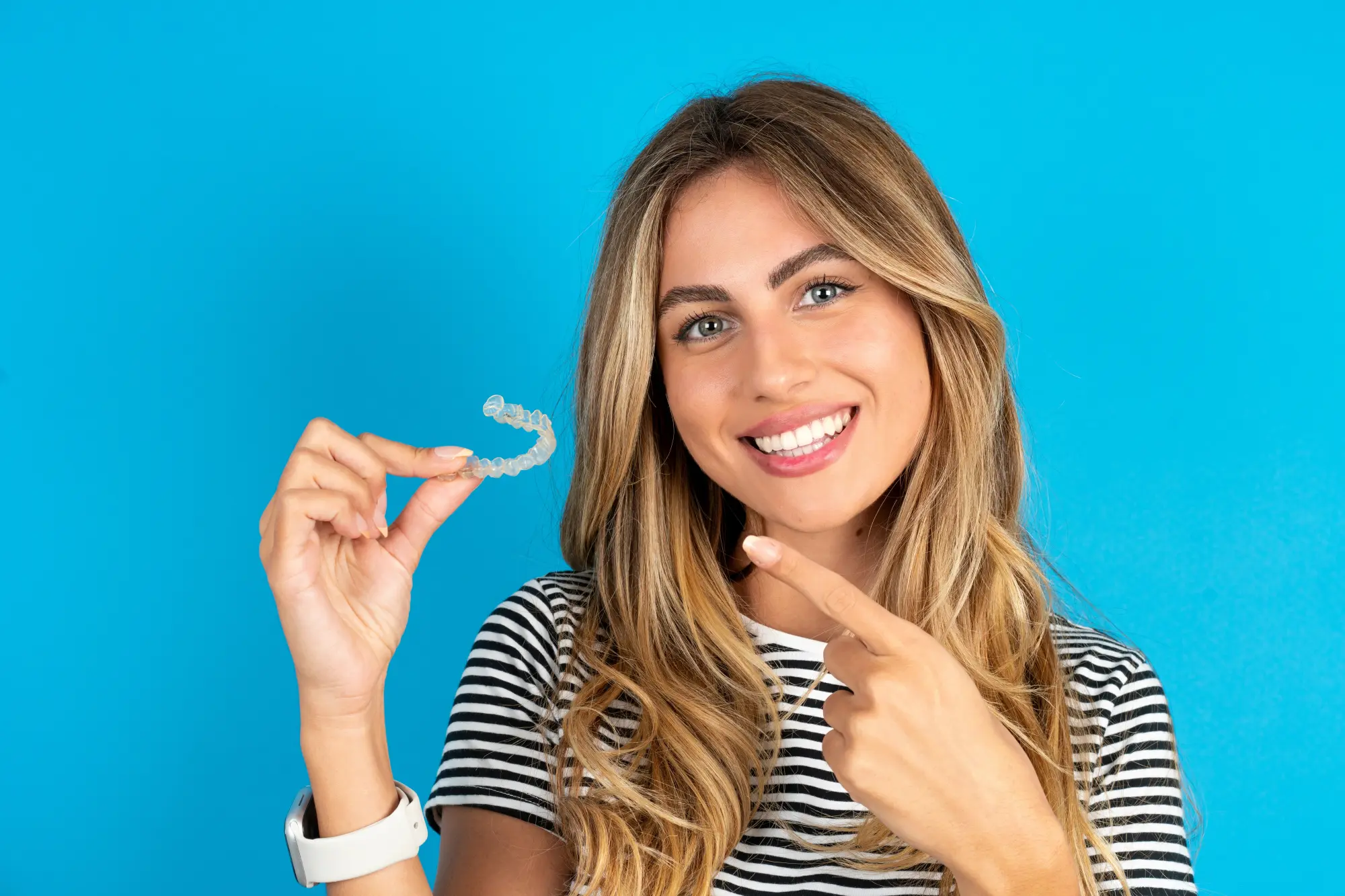
Many parents are surprised to learn there is a version of Invisalign designed specifically for children. Invisalign First is made for kids who still have a combination of baby teeth and adult teeth, which is exactly the stage when early treatment usually happens.
Why does a separate product matter? Because a child's mouth is constantly changing at this age. Baby teeth are falling out, and new adult teeth are on their way in. Invisalign First is built to accommodate those erupting teeth, so your child can keep progressing through treatment while their smile continues to develop.
It is a gentle, effective option for addressing the issues on our short list, including creating space for incoming teeth and guiding bite development. Adding Invisalign First to our treatment options has truly been a game changer for our practice and for the families we serve.
Invisalign First vs. Braces: Why Kids Love It
We always remind parents that both braces and aligners come with some responsibility. Still, kids tend to feel very differently about Invisalign First compared to traditional braces, and it is easy to see why.
Fewer food rules. With braces, kids have to steer clear of hard and sticky foods, and there is an adjustment period as their lips and cheeks get used to the brackets. With Invisalign First, your child can take the aligners out to eat, or even eat with them in and simply rinse afterward. Either way, there is no list of forbidden snacks.
Easier hygiene. Braces are notorious for trapping food, which makes brushing and flossing a challenge. Aligners trap far less, and because they come out, your child can brush and floss like normal.
Greater comfort. Kids switch to a new set of aligners about every five days. Each step is very gentle, so treatment feels gradual rather than sore.
Fewer appointments. With braces, visits are usually monthly. With Invisalign First, we typically see patients every couple of months, which is a welcome change for busy Santa Barbara families juggling school, sports, and activities.
What Happens After Phase One (and Does My Child Need Two Full Treatments?)
Once a first phase of treatment wraps up, the heavy lifting is done. The adult teeth have room to come in, and the bite is in good shape. From there, we shift into monitoring mode.
Typically, we see your child about twice a year to watch their growth and development and keep an eye on new teeth as they erupt. We also put a simple, easy retention plan in place to help maintain everything we accomplished during phase one.
Clearing Up a Common Misconception
One of the biggest worries we hear from parents is that early treatment means their child will essentially be treated twice, and that they will pay for two full comprehensive treatments. That is not the case.
A first phase costs less than a comprehensive case. Think of it as the preventive part of your child's orthodontic care. Because we created space early on, there is a real chance the remaining adult teeth will come in straight with a healthy bite over the next several years. If that happens, a second phase may not be needed at all.
If a second phase is needed, it is usually short and efficient, because so much was already taken care of the first time around. Either way, consistent monitoring means there are no surprises.
Schedule Your Child's Complimentary Orthodontic Screening in Santa Barbara
An orthodontic screening at age 7 is not about rushing into treatment. It is about prevention, good timing, and giving your child the best chance at healthy growth with the least invasive care possible. Most kids we see simply need monitoring. For those who do benefit from early orthodontic treatment, starting at the right time can help avoid extractions, impacted teeth, and longer treatment down the road.
At Ferris Orthodontic Group, Dr. Andrew Ferris and Dr. Rebecca Quinn are proud to help Santa Barbara families make confident, informed decisions about their children's smiles. Whether your child shows clear signs of crowding or you just want peace of mind, we would love to meet you.
Your first consultation is complimentary, and no referral is needed. Call Ferris Orthodontic Group today at (805) 687-7417 to schedule your child's screening.