18 November 2026
Fixed vs Removable Retainers: Which Is Right After Braces or Invisalign?
The right retainer depends on your teeth, your habits, and your orthodontist's advice. A fixed retainer is a thin wire bonded behind your teeth, so it works around the clock with no effort from you. A removable retainer is a clear or wire-and-acrylic appliance you take out to eat and clean.
At Ferris Orthodontic Group, Dr. Andrew Ferris and Dr. Rebecca Quinn help patients choose the right retainer solution based on how their teeth have moved, and how they live day-to-day after orthodontic care. Learn more about our Santa Barbara orthodontic care and how we support you after treatment.
Many of our patients end up with a combination of both fixed and removable retainers. This guide explains how each type works, who it suits, and how to decide before your braces come off or your last Invisalign tray is delivered.
Why Every Smile Needs a Retainer
Teeth Want to Move Back
Braces and Invisalign move teeth through bone, and the fibers and tissue around each tooth need time to settle into the new position. Until that happens, your teeth can drift toward where they started.
Shifting Can Happen Years Later, Too
Teeth also change as we age. Normal biting forces, wisdom teeth, and habits like nail biting can nudge them out of line long after treatment ends. A retainer protects the work you invested in, whether it took twelve months or three years.
How Fixed vs Removable Retainers Compare
Here is the short version of how fixed vs removable retainers differ in daily life. Both can hold your results, but they ask different things from you.
Fixed retainers:
- Stay in place, so you cannot forget to wear them or lose them
- Need careful flossing around the wire, often with a floss threader
- Are usually placed on the lower front teeth, but can be used on the upper teeth, too
Removable retainers:
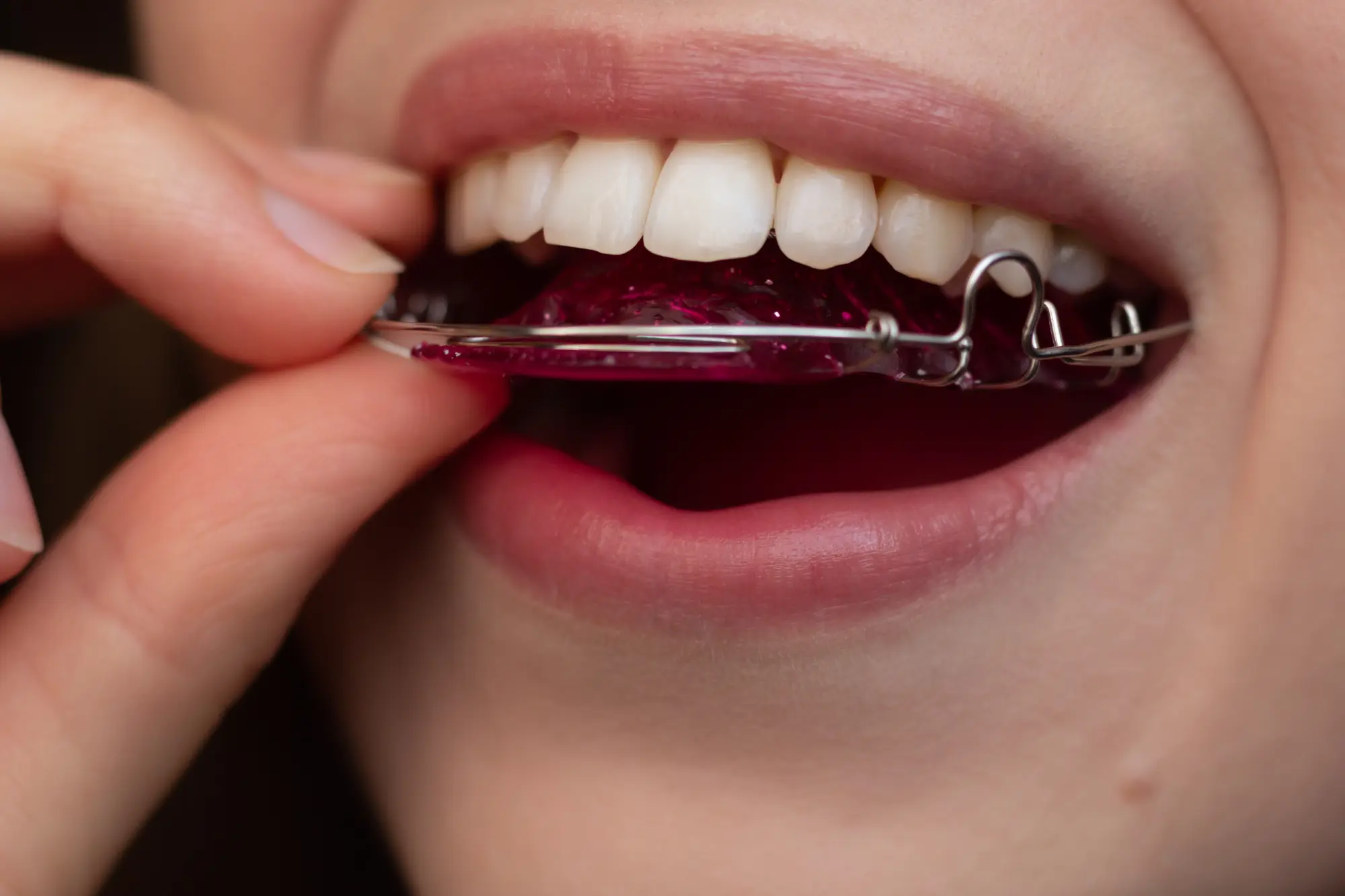
- Come out for eating, brushing, and photos, which makes cleaning simpler.
- Depend on you wearing them as directed, usually all day for the first few months and every night afterward.
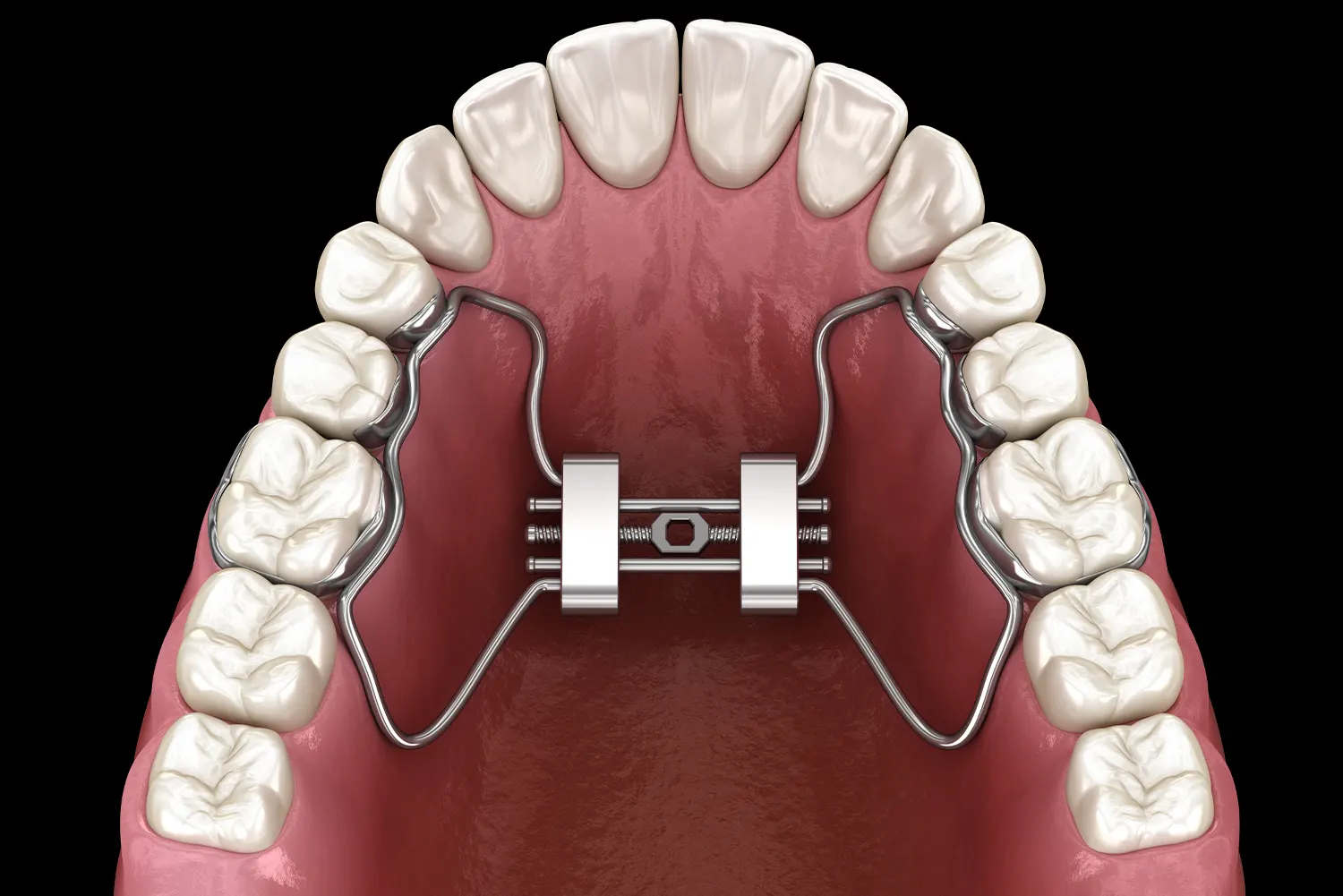
- May use plastic and wires (Hawley retainer) or Invisalign-like plastic trays (Essix retainer)
What a Bonded Retainer Does Well
How It Works
A bonded retainer is a thin metal wire attached to the back surface of your teeth with dental adhesive. It sits out of sight, so no one will notice it when you smile. Most patients stop feeling it within a week or two.
Who It Suits Best
This option is a strong fit if you had crowding in the lower front teeth, since those teeth tend to shift the most. It also suits busy teens and adults who know a removable appliance might end up in a backpack or a napkin at lunch.
What to Watch For
Plaque and tartar can build up around the wire, so brushing and flossing habits matter. If the wire comes loose or breaks, call us quickly. A loose wire can let teeth move without you noticing, and a simple repair visit usually solves it.
When a Clear Retainer Makes More Sense
Comfort and Convenience
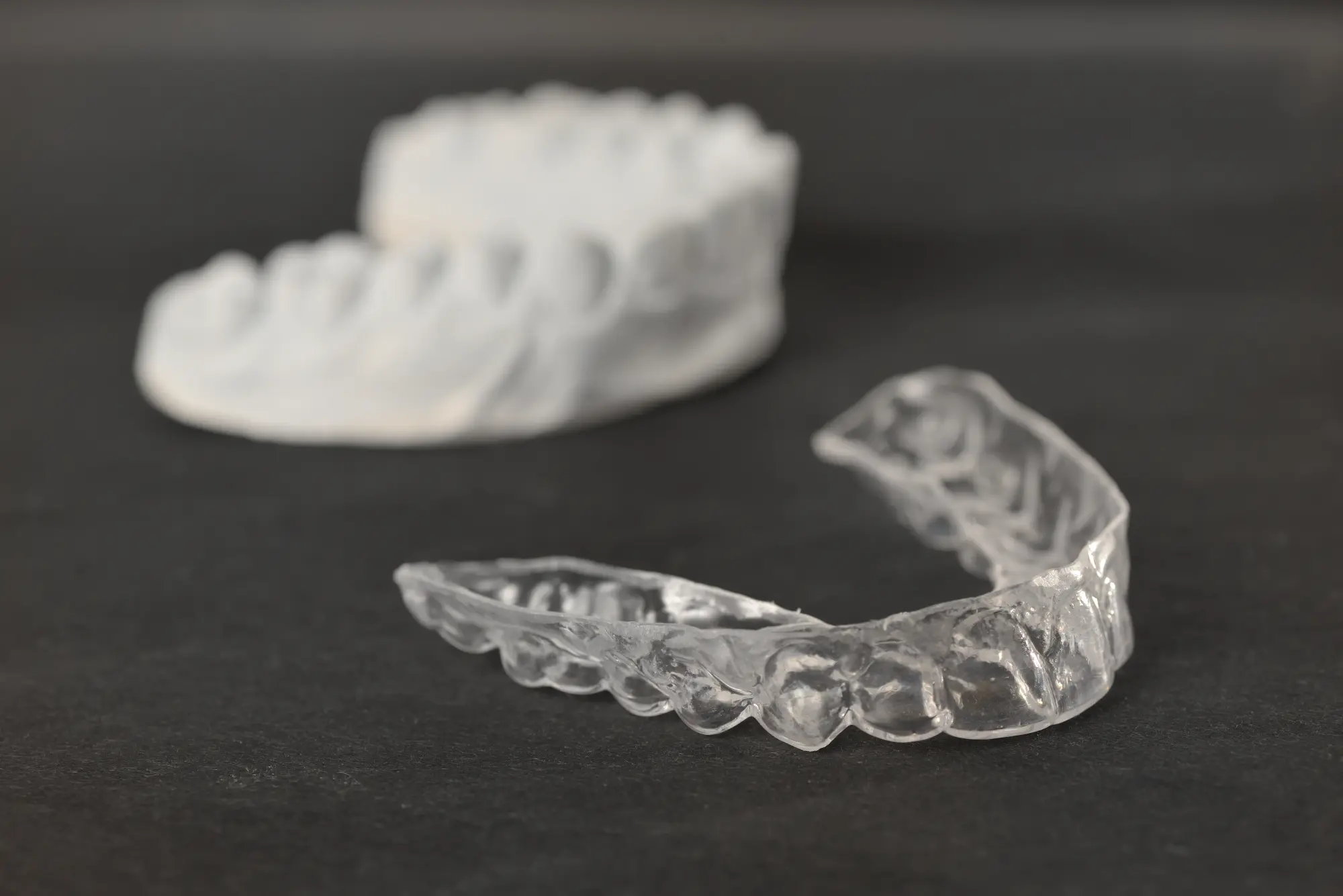
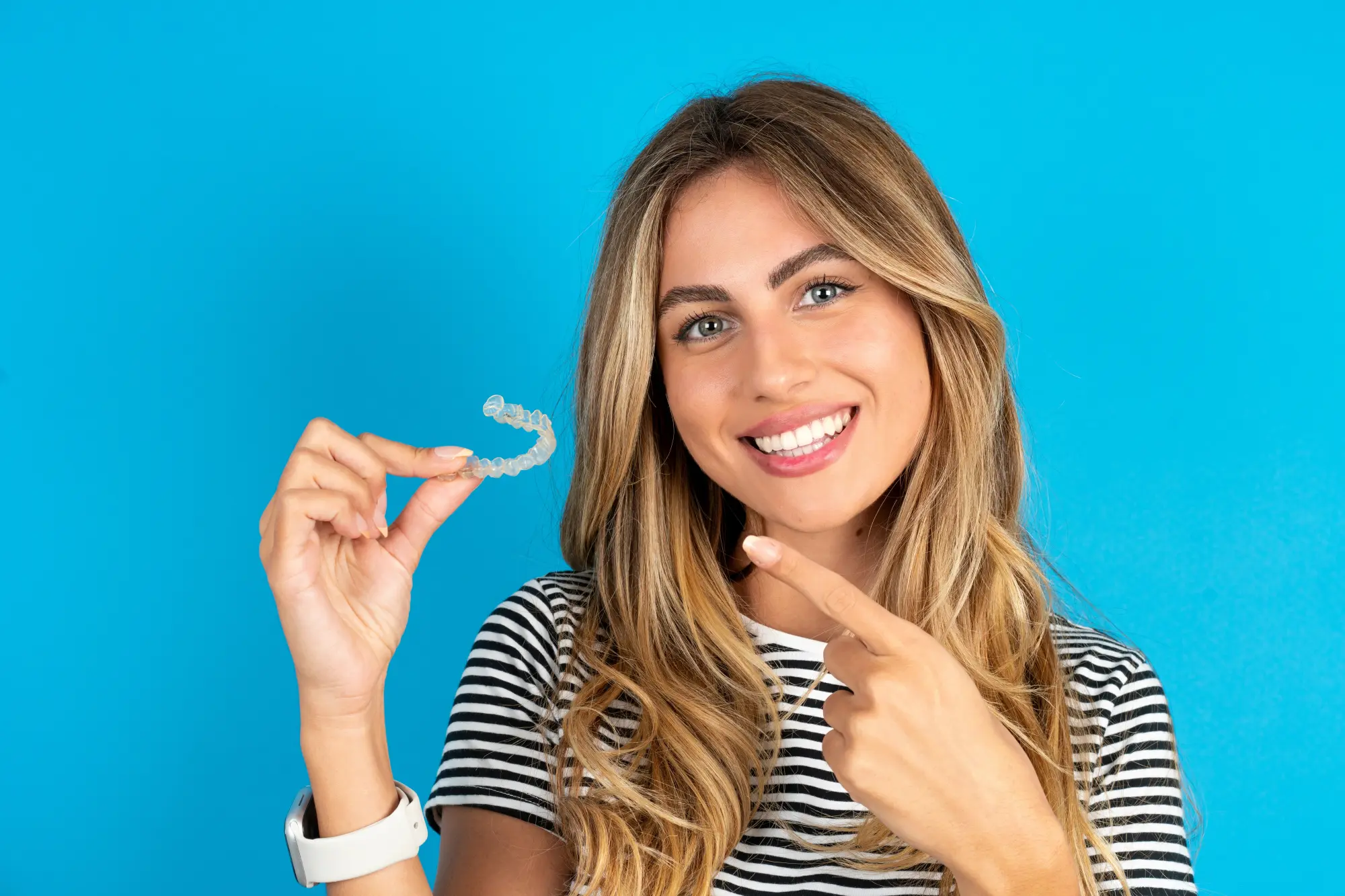
A clear retainer looks like a thin Invisalign tray and fits over your teeth snugly. Invisalign patients often find it familiar, since they have already spent months wearing aligners. You can remove it to eat, brush, and floss exactly as you normally would.
Protection Beyond Alignment
If you clench or grind at night, a clear retainer adds a layer of cushioning between your teeth. It does not replace a night guard for heavy grinders, but it can help. Tell us about any grinding so we can recommend the right appliance.
The Tradeoff
Clear retainers can warp in hot water or a hot car, and they can crack with age. They also only work if they are in your mouth. If you tend to misplace things or are forgetful, a fixed option or a backup set is worth considering.
Custom Retainers Matter More Than You Think
A retainer only holds your teeth if it fits them exactly. Custom retainers are made from a digital scan or impression of your teeth after treatment, so the fit reflects your final alignment. Store-bought or mail-order shortcuts cannot account for that.
At our office, we use an intraoral scanner, which means no messy impressions. The scan is quick and comfortable, and it gives us a precise record of your finished smile. Our advanced orthodontic technology also helps us make a replacement faster if you ever lose a retainer.
Planning Your Retainer After Braces
What to Expect on Debonding Day
For a retainer after braces, we typically start the process right as the brackets come off. Some patients leave with a fixed wire placed the same day, and others receive removable retainers shortly afterward. Either way, we do not want you going without protection for long.
Wear Schedule in the First Year
Removable retainers usually need to be worn full time for the first few months, then at night for the rest of your life. Your schedule will depend on your case, and we will walk you through it in plain language. Our team knows your name and your story, so we can adjust the plan if your life changes.
Retainers for Invisalign Patients
Dr. Ferris is a nationally recognized Invisalign educator, and he designs every tooth movement himself. That same attention carries into retention. Because he trains other orthodontists, he sees how teeth behave after complex movements and plans retention accordingly. Learn about Invisalign treatment and how it connects to your retention plan.
Many Invisalign patients choose clear retainers for nights and a bonded wire on the lower teeth for added security. Your plan should match how your teeth moved, not a one-size-fits-all rule.
How to Choose and Get Started
Ask yourself a few honest questions. Will you wear a removable appliance every night? Do you floss carefully around wires? Did your teeth start out severely crowded or rotated? Your answers, plus a look at your bite, guide the best choice.
Our doctors are ABO board-certified, and our family-owned practice makes decisions around patient needs, not a corporate bottom line. We offer complimentary consultations at two convenient locations, with Spanish-speaking care available. Ask about retainer options, or get a replacement if yours is lost or no longer fits. No commitment, no jargon, just answers.
Whether you pick a fixed wire, a removable tray, or both, consistent retainer wear keeps the smile you worked for. Schedule your consultation with Ferris Orthodontic Group in Santa Barbara today, or call us at (805) 687-7417, and we will help you protect it for life.