Early orthodontic treatment in Santa Barbara & Goleta
Give your child's smile the best possible start
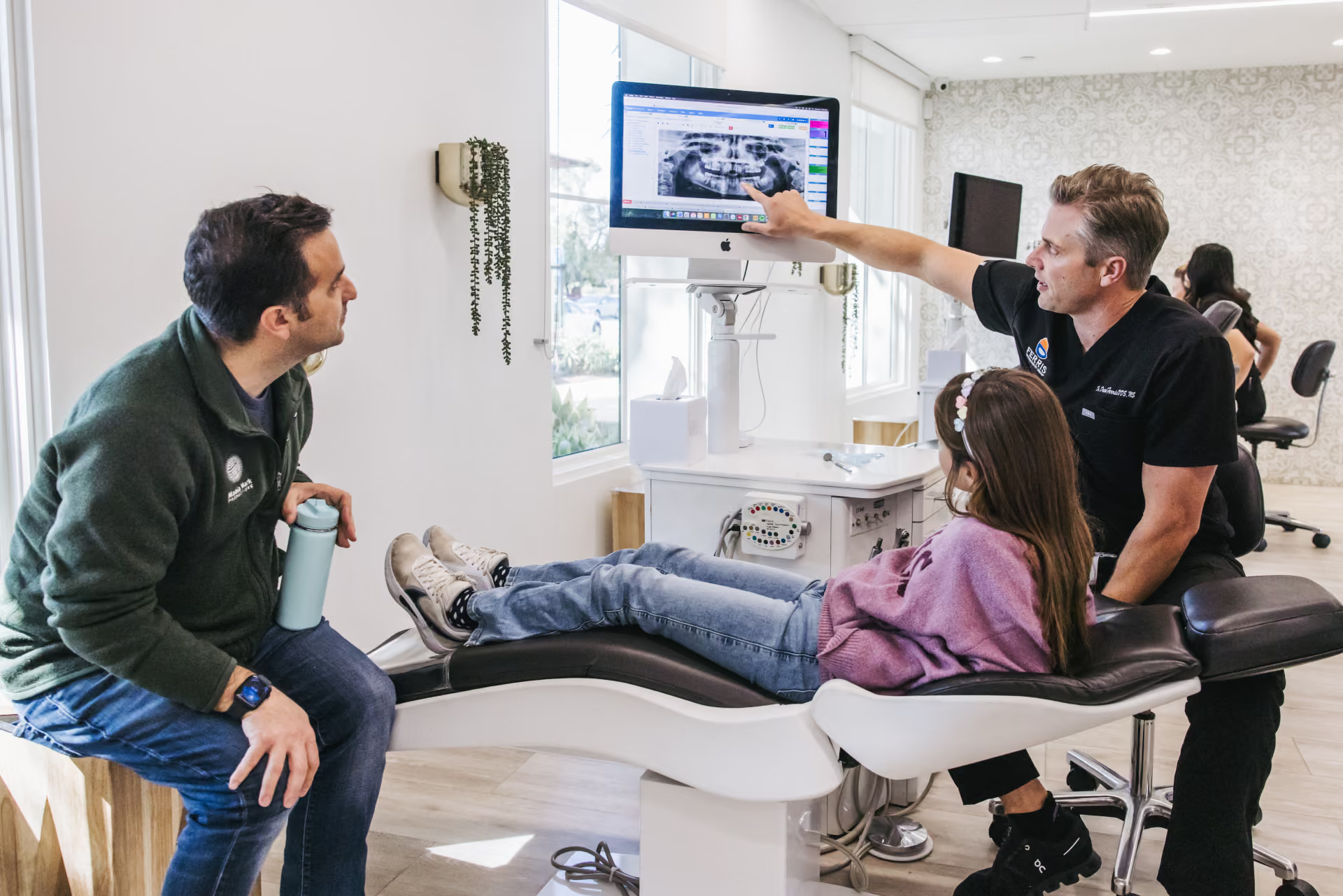
Early treatment at Ferris Orthodontic Group is always thoughtful, never rushed. Dr. Ferris takes the time to evaluate each child individually, recommending intervention only when the evidence supports it and the timing is right.






Advanced Invisalign expertise, designed for growing smiles
ABO board-certified doctors with extensive experience treating kids
Comprehensive airway & growth evaluation using advanced 3D imaging
Personalized plans, never a one-size-fits-all approach
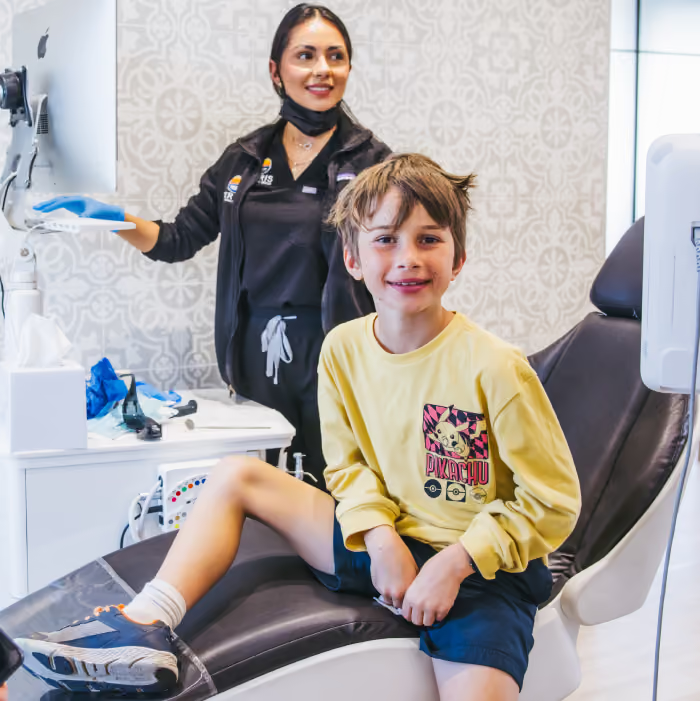
A warm, welcoming environment kids actually enjoy
The right care at the right time can change everything
Early interceptive orthodontics, often called Phase 1 treatment, begins while a child still has a mix of baby and permanent teeth—typically between ages 6 and 10.
At this stage, the goal is not to complete treatment, but to identify and guide developing issues while the jaw is still growing and most responsive to change. When indicated, early treatment can simplify, or even eliminate, the need for more complex care later, while protecting developing teeth and supporting a healthier, more confident smile as your child grows. We evaluate children as early as age 7, and in some cases younger, because timing matters. A thoughtful, early evaluation is one of the most valuable steps you can take for your child's long-term oral health.
Looking beyond the teeth: airway, growth, & development
Orthodontics—especially in a growing child—is about much more than straight teeth. Our doctors evaluate how your child’s teeth, bite, jaws, airway, tongue posture, and facial growth are developing and working together.
Using a comprehensive clinical evaluation along with advanced 3D imaging when indicated, we can identify patterns that may be important to your child’s development—including jaw relationships, airway anatomy, tongue posture, and how the permanent teeth are developing.
You may hear this described as “airway-focused orthodontics.” At Ferris Orthodontic Group, we simply consider it part of practicing comprehensive orthodontics. Airway is an important piece of the picture, but never the only piece. Our goal is to understand the whole child, recognize concerns early, and recommend treatment only when it can meaningfully support healthy growth, function, and a stable bite.
When something falls outside the scope of orthodontics, we’ll also help guide you to the appropriate pediatrician, ENT, sleep specialist, myofunctional therapist, or other provider when needed.
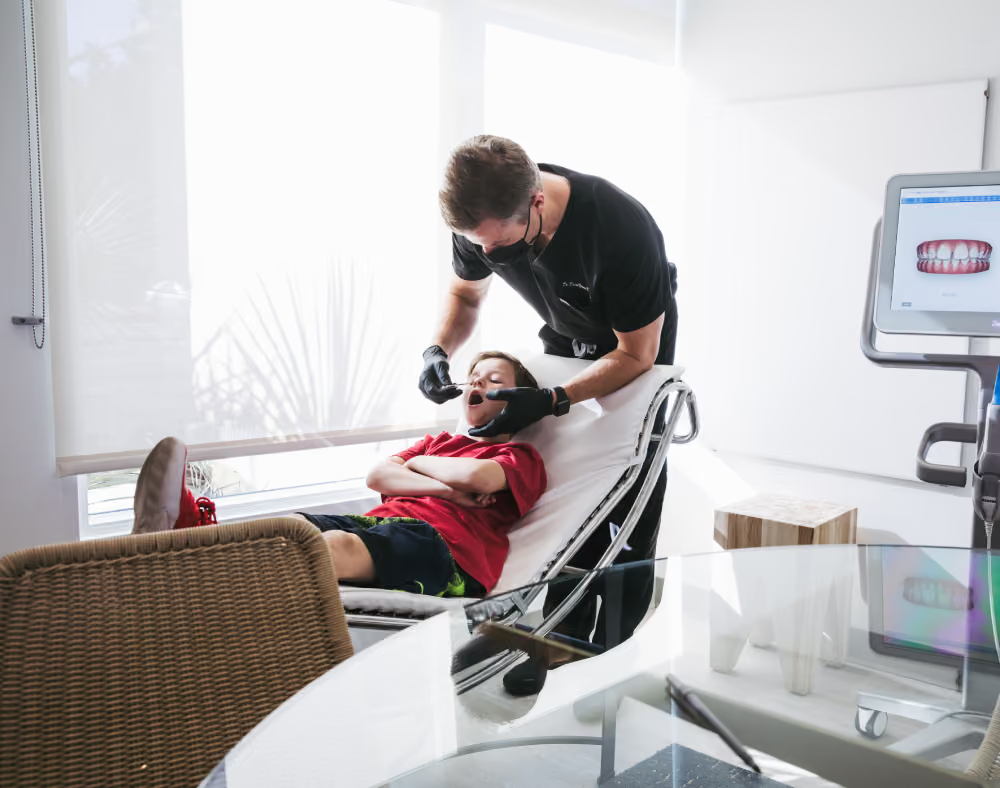

The benefits of early orthodontic treatment
Guiding growth before it becomes a problem
Addressing bite, spacing, and jaw development early allows us to work with your child's natural growth—not against it. By guiding teeth and bone into better positions as they develop, we can often prevent more complex issues later.
Simpler treatment down the road
In many cases, Phase 1 treatment reduces the complexity, length, and intensity of future orthodontic care. Some children require significantly less treatment later, and in certain cases, early treatment can fully resolve the issue.
Protecting developing teeth and self-confidence
Severe crowding, bite issues, or protruding teeth can increase the risk of dental injury and impact how a child feels about their smile. Early treatment addresses these concerns proactively—supporting both long-term oral health and confidence during key developmental years.
Looking beyond the teeth
We evaluate the bite, jaw growth, airway, tongue posture, and facial development as part of the complete picture—helping us identify concerns early and support healthy growth and function.
Our treatment options
Early orthodontic treatment is never one-size-fits-all. Depending on your child’s growth, bite, developing teeth, and individual needs, our doctors may recommend one or a combination of the following treatments.
Invisalign for adults
It’s never too late to improve your smile. Invisalign offers a discreet, flexible option for adults who want meaningful results without disrupting their daily routine. There’s a common misconception that Invisalign is less effective than traditional braces. In reality, the outcome depends on the planning and experience behind the treatment. With advanced training and extensive experience treating a wide range of cases—including more complex needs—Invisalign can achieve results that are both highly functional and highly aesthetic. Your treatment begins with a thoughtful evaluation of your goals, your bite, and your overall facial balance. From there, every detail is carefully planned to create a result that feels natural, balanced, and uniquely yours.

Invisalign for adults
It’s never too late to improve your smile. Invisalign offers a discreet, flexible option for adults who want meaningful results without disrupting their daily routine. There’s a common misconception that Invisalign is less effective than traditional braces. In reality, the outcome depends on the planning and experience behind the treatment. With advanced training and extensive experience treating a wide range of cases—including more complex needs—Invisalign can achieve results that are both highly functional and highly aesthetic. Your treatment begins with a thoughtful evaluation of your goals, your bite, and your overall facial balance. From there, every detail is carefully planned to create a result that feels natural, balanced, and uniquely yours.
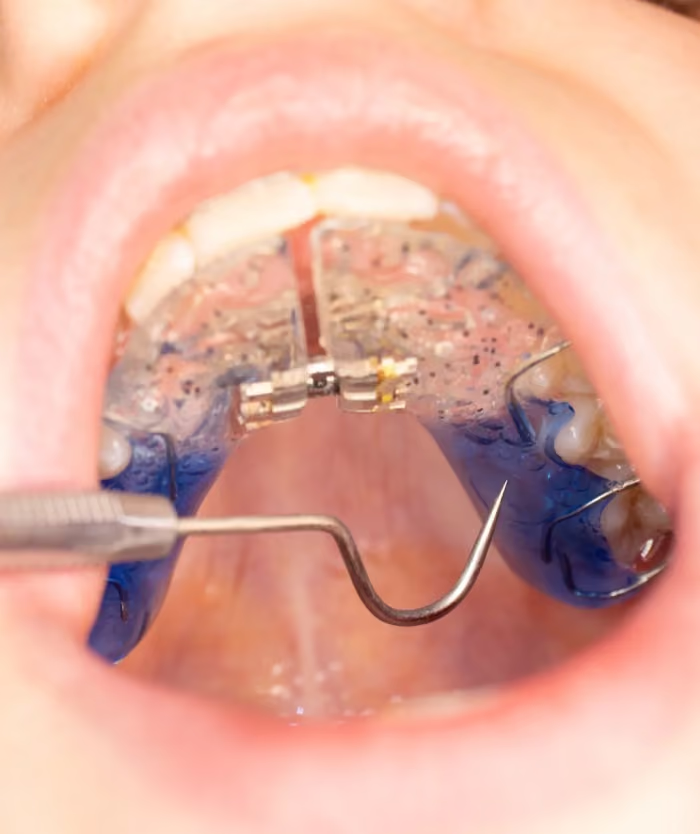
Early treatment looks different for every child-and sometimes the best treatment is simply monitoring growth and development until the timing is right.
The early orthodontic treatment process at Ferris Orthodontic Group

Step1
Your child's complimentary evaluation
The American Association of Orthodontists recommends an evaluation by age 7. At Ferris Orthodontic Group, that evaluation is always complimentary. We assess your child’s teeth, bite, and jaw development using advanced imaging and a detailed clinical exam. You’ll leave with a clear understanding of what we see, whether early treatment is recommended, and what the right next step is.
Step2
A personalized treatment plan
If early treatment is appropriate, we design a fully customized plan tailored to your child’s specific needs. This includes the timing, approach, and any appliances that may be used. We walk you through every detail so you understand not just what we’re recommending—but why.
Step3
Treatment, monitoring, and planning for the future
Phase 1 treatment typically lasts 9–18 months, followed by a period of observation as permanent teeth continue to develop. This phase is just as important as active treatment. We monitor growth, track progress, and plan ahead—so if Phase 2 treatment is needed later, it is simpler, more efficient, and more predictable.
See how early treatment makes a difference
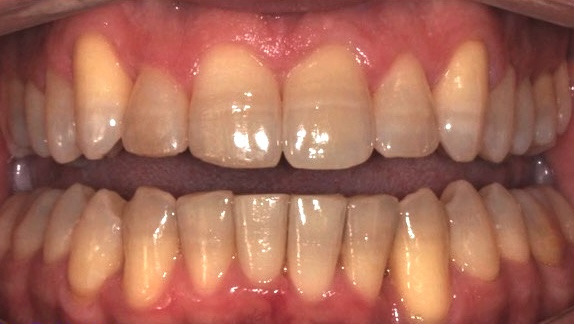
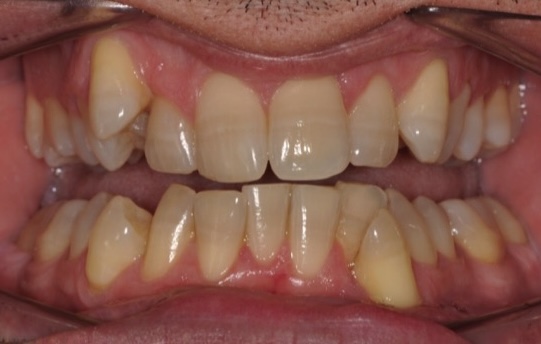
Adult, 51
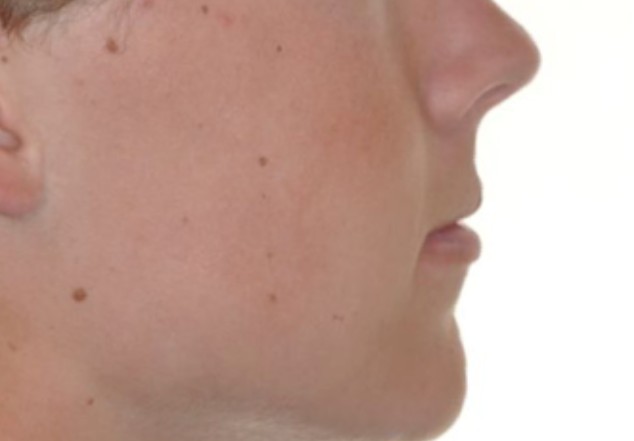

Adolescent, 10
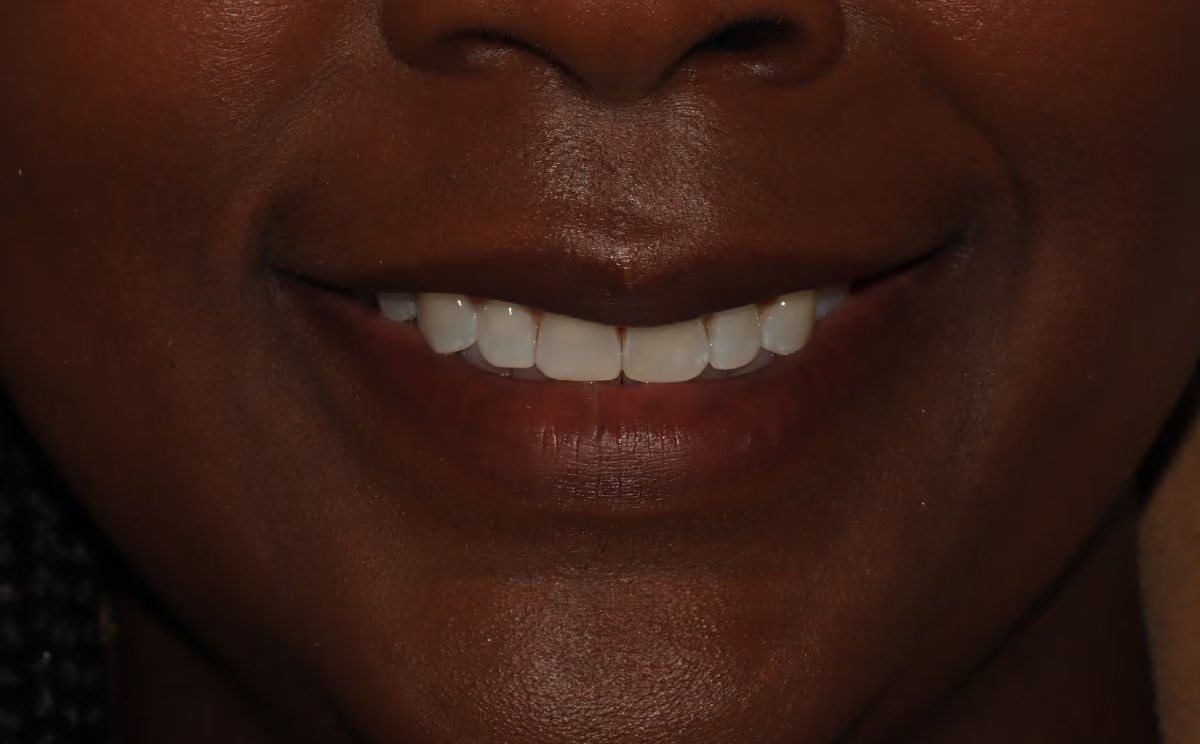
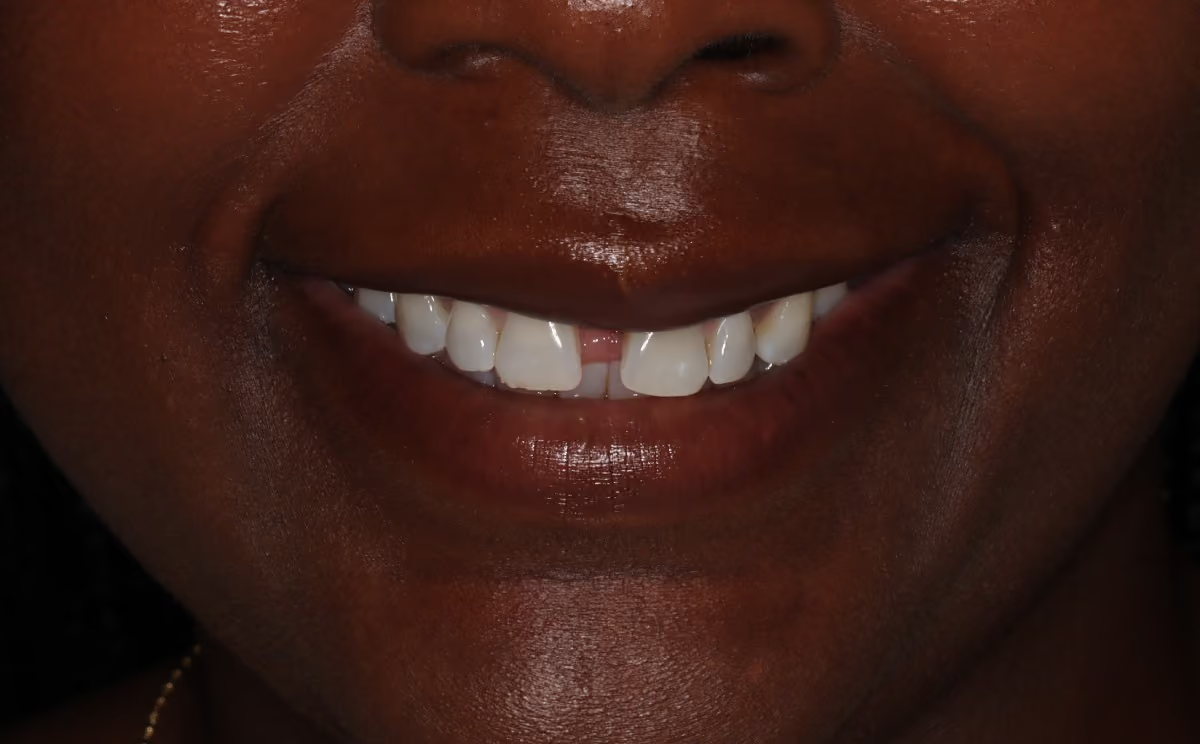
Adult, 36
Frequently asked questions
Some signs include difficulty chewing or biting, mouth breathing, thumb sucking past age 5, crowded or misplaced teeth, or teeth that don’t come together properly. However, many issues are not obvious from the outside. That’s why we recommend a complimentary evaluation around age 7. We will assess your child’s development and let you know if treatment is needed—or if simple monitoring is the best approach.
Phase 1, or early interceptive treatment, takes place while a child still has a mix of baby and permanent teeth, typically between ages six and ten. Its purpose is to address specific developmental concerns, such as a narrow jaw, a crossbite, or severe crowding, that are better managed early while the jaw is still growing.
Phase 2 treatment typically begins in early adolescence once most or all of the permanent teeth have come in, and it focuses on achieving full alignment and a healthy, functional bite. Not every child requires Phase 1 treatment, and having Phase 1 treatment does not eliminate the need for Phase 2 in all cases. What Phase 1 can do is make Phase 2 shorter, simpler, or in some cases unnecessary altogether.
Not always. Some children will still need a second phase of treatment, but it is often shorter and less complex. In other cases, early treatment fully resolves the issue. We will always give you a clear, honest expectation from the beginning so you can plan accordingly.
That’s completely normal. Our team is experienced in working with children and creating an environment that feels welcoming, calm, and even fun. We take the time to explain everything in an age-appropriate way and move at a pace that feels comfortable—so your child builds confidence throughout the process.