Yes. Invisalign can correct many overbites and crossbites, including some moderate and complex ones. Results depend on what is causing the bite problem, whether it sits in the teeth, the jaw, or both, and how carefully the treatment is planned.
At Ferris Orthodontic Group, Dr. Andrew Ferris and Dr. Rebecca Quinn evaluate each bite with 3D imaging before recommending a path. Dr. Ferris is a nationally recognized Invisalign educator who designs every tooth movement himself instead of approving a software plan as is.
That hands-on planning is often what separates a clear aligner case that works from one that stalls. Learn more about orthodontic care in Santa Barbara and how we approach bite correction. And if you want to know where your bite stands, call us at (805) 687-7417 to schedule a complimentary consultation.
What Overbites and Crossbites Actually Are
Bite problems get mixed up often, so it helps to define them in plain terms. Both involve how your upper and lower teeth meet, but they behave very differently.
Overbite
An overbite means your upper front teeth cover too much of your lower front teeth when you close your mouth. A small amount is normal. A deep overbite can cause the lower teeth to bite into the roof of the mouth or wear down the backs of the upper teeth.
Some overbites come from teeth that have erupted too far. Others come from a lower jaw that sits farther back than the upper jaw.
Crossbite
A crossbite means some upper teeth sit inside the lower teeth instead of outside them. It can affect a single tooth, a few teeth, or one whole side of the mouth.
Crossbites often connect to a narrow upper jaw. Left alone, they can cause uneven wear, gum recession, and a jaw that shifts to one side when you bite down.
How Invisalign Corrects an Overbite
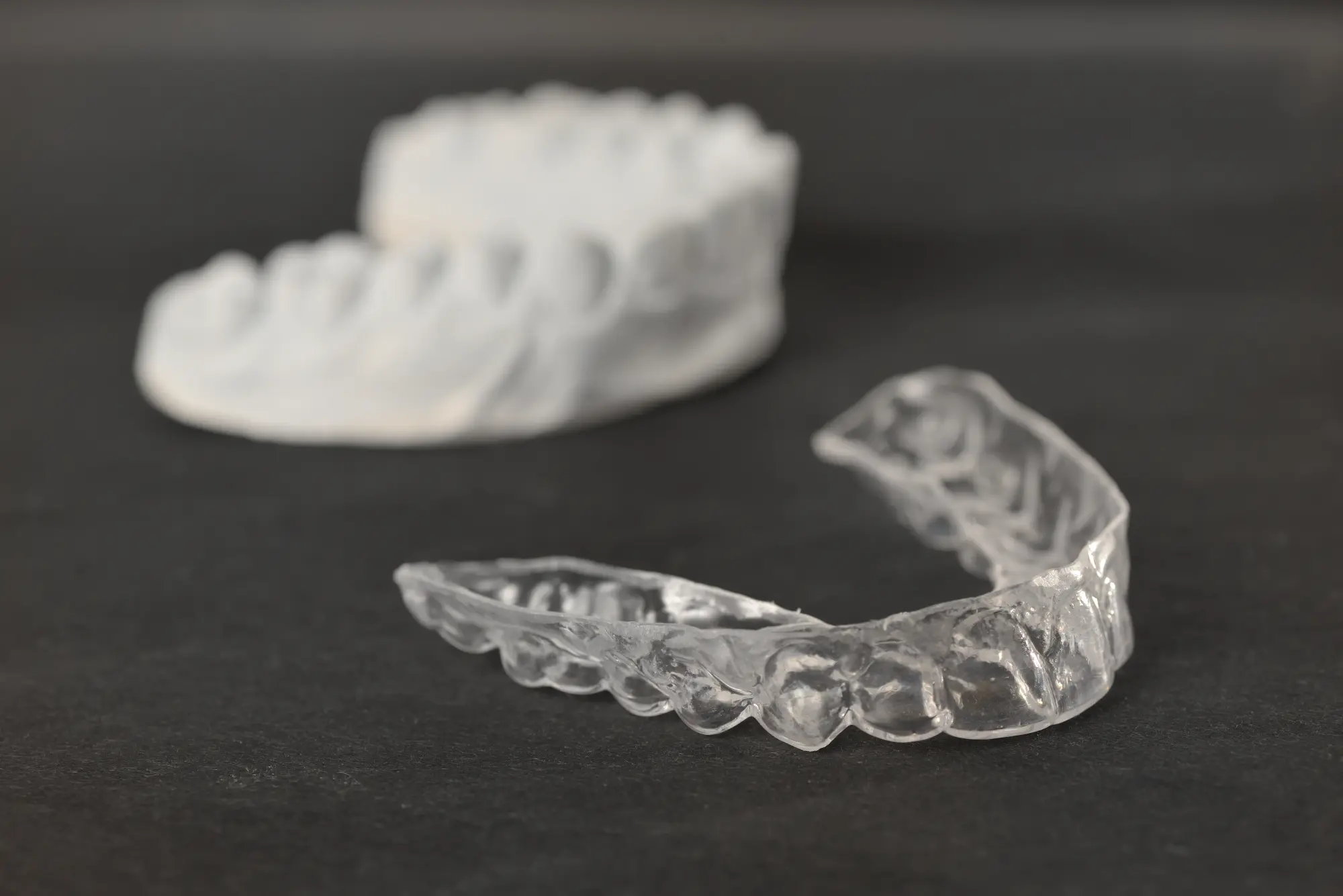
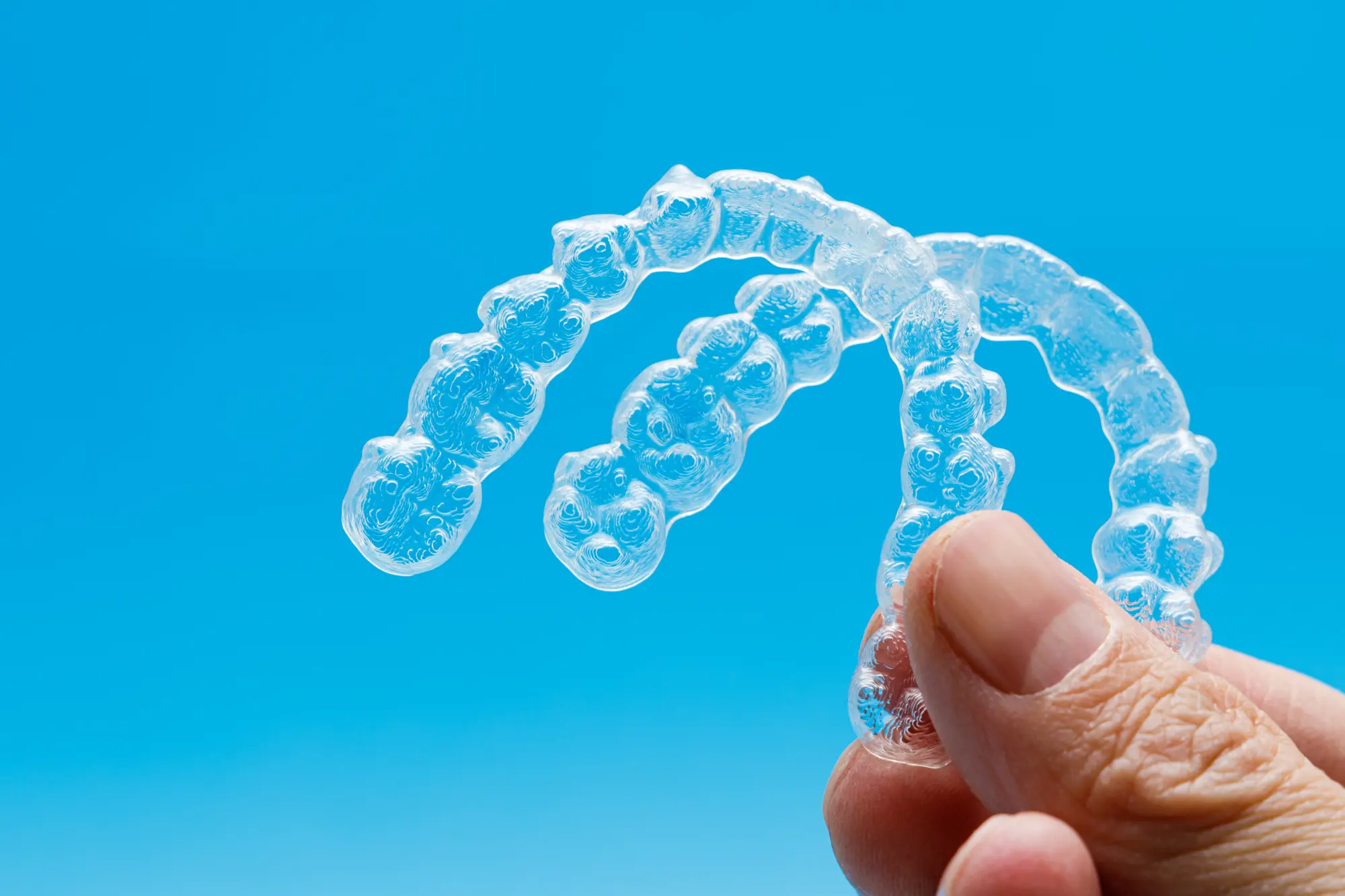
Invisalign treats an overbite by moving teeth in a planned sequence. Each set of aligners shifts the teeth a small amount, and the overall plan decides which teeth move and which stay anchored. Our Invisalign treatment is planned tooth by tooth. For a deep overbite, the plan usually involves one or more of these movements:
- Moving the front teeth so they sit at a healthier angle
- Gently lowering the back teeth relative to the front, which opens the bite
- Bringing the lower front teeth forward or leveling the curve of the lower arch
- Using small tooth-colored attachments to give the aligners a grip on specific teeth
- Adding elastics when the upper and lower jaws need help moving into better alignment
Elastics are small rubber bands worn between the upper and lower teeth. They are common in clear aligner treatment and are one reason patient cooperation matters.
How Invisalign Corrects a Crossbite
Crossbite correction depends on where the problem comes from. If a single tooth is tipped inward, aligners can often guide it back into position with a few well-planned steps.
When the crossbite involves several teeth, the aligners can widen the upper arch slightly or tip the upper teeth outward. This works well for dental crossbites, where the teeth are the main issue and the jawbone is not.
A skeletal crossbite is different. In that case the upper jaw itself is too narrow, and aligners alone may not be enough to widen it.
When Invisalign Alone May Not Be Enough
Honesty matters here. Some bite problems need more than aligners, and a clear plan from the start saves time and frustration.
Treating Jaw-Based Problems In Kids And Teens
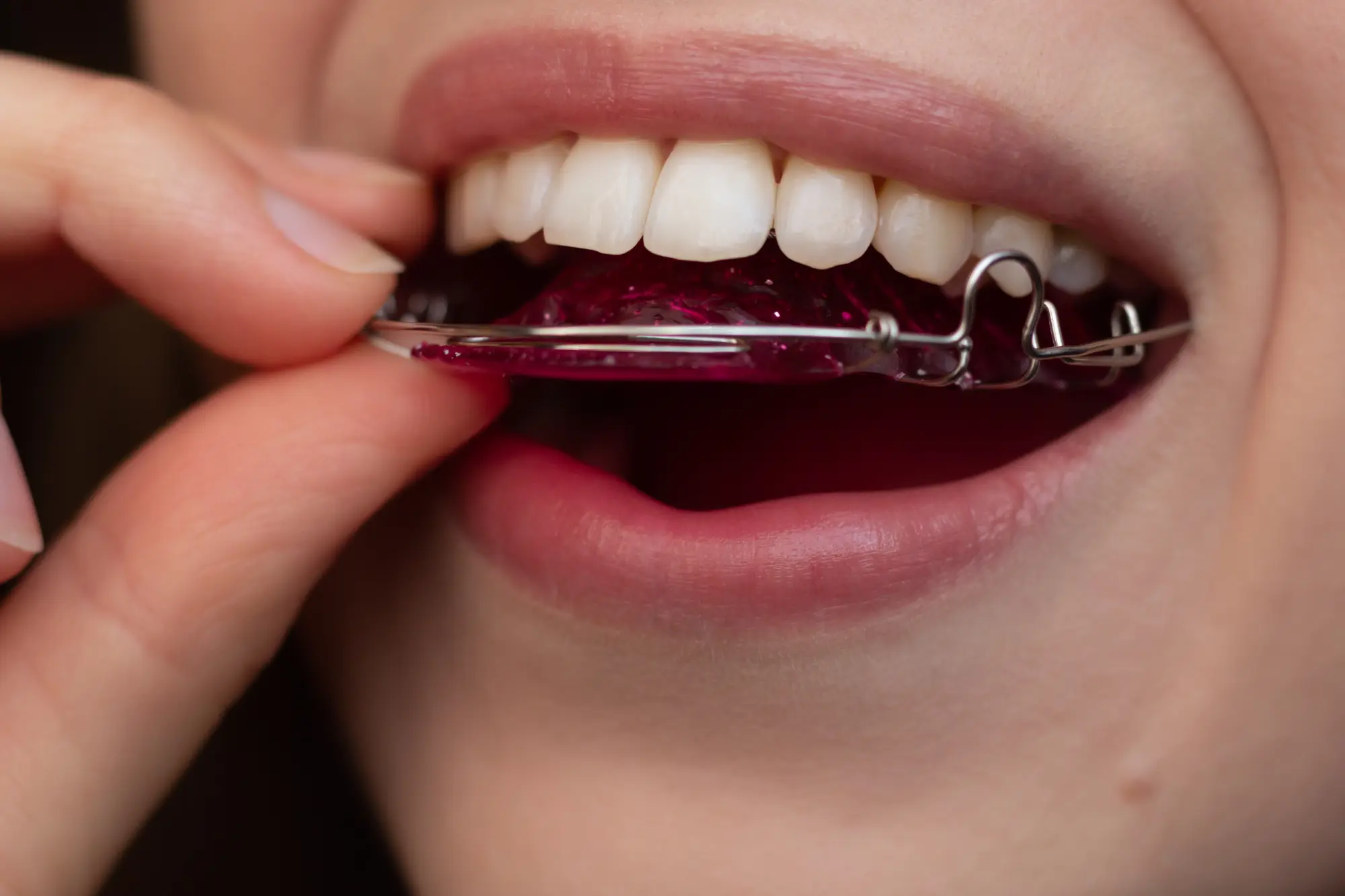
A significant overbite caused by a small lower jaw, or a crossbite caused by a narrow upper jaw, may call for expansion treatment or a combined approach. Expanders are often used in children and teens, whose jaws are still growing.
This is one reason early interceptive (Phase 1) care can make a real difference. Guiding jaw growth at the right age can prevent a more involved treatment later.
Adults With Complex Bites
Adults can still get excellent results, but the options are different because the jaw has finished growing. In some adult cases, aligners combined with elastics or other tools can handle what looks like a hard problem. In a few cases, a combination of braces and aligners, or a surgical referral, is the more reliable route.
We will tell you which category your case falls into. Our goal is the right treatment for your bite, not a sales pitch for one product.
Why Doctor-Designed Treatment Matters for Bite Correction
Moving teeth forward or back is one thing. Changing how the upper and lower jaws meet is another. Bite correction needs a plan that accounts for every tooth, the roots beneath them, and the way the teeth fit together at the end.
Dr. Ferris designs each Invisalign movement personally. He also trains other orthodontists, which is why our office takes on complex cases that other practices refer out to specialists. Invisalign has recognized him with Sapphire status, a level held by the top 1% of providers, and our team has helped transform more than 25,000 smiles.
Dr. Quinn brings the same careful approach to patients of every age. Our practice is family-owned rather than part of a corporate chain, so you see the same doctors at your visits, and our team knows you by name. We are also the only Santa Barbara-based practice with ABO board-certified doctors.
What Treatment Looks Like From Start to Finish
Knowing what to expect makes the first step easier. Here is how bite correction with Invisalign typically unfolds at our office:
- A complimentary consultation, where we examine your bite and talk through your goals
- Digital records, including a CBCT 3D image and an intraoral scan, with no messy impressions
- A custom treatment plan designed by Dr. Ferris, with the projected outcome shown to you before you begin
- Regular check-ins as you move through your aligners, with refinements if your teeth need them
- Retainers once your bite is corrected, so the results last
Our clinical team holds California Orthodontic Assistant Permits, the state's highest orthodontic assistant certification. That means the person adjusting your attachments or checking your elastics has the specialized training they need for the best results.
Take the Next Step Toward a Better Bite
A bite problem is about more than appearance. It can affect how you chew, how your teeth wear, and how comfortable your jaw feels. Treating it early, at any age, usually makes the process simpler.
We offer complimentary consultations at two convenient locations, with Spanish-speaking care available. We also look at airway and expansion needs, since a narrow jaw can affect breathing and sleep as well as the bite.
You will leave with a clear answer, whether that is Invisalign, braces, or a combined plan. Call Ferris Orthodontic Group at (805) 687-7417 or book your appointment to start. We will look at your bite together and show you what is possible.